Chimichurri Sauce Recipe- Fresh Herb Flavor
Chimichurri sauce is more than just a condiment; it’s a vibrant celebration of fresh herbs and zesty flavors that can transform any dish from ordinary to extraordinary. Have you ever experienced that burst of bright, herbaceous goodness that perfectly complements grilled meats, roasted vegetables, or even a simple piece of bread? That’s the magic of authentic chimichurri sauce! Hailing from Argentina and Uruguay, this versatile sauce has captured hearts (and taste buds) worldwide for its incredible ability to cut through richness and add a lively, herbaceous punch. What makes chimichurri so special is its simplicity, relying on the quality of fresh ingredients to shine. It’s a symphony of parsley, oregano, garlic, vinegar, and olive oil, creating a flavor profile that is both invigorating and utterly addictive. Get ready to elevate your culinary game with this essential chimichurri recipe!
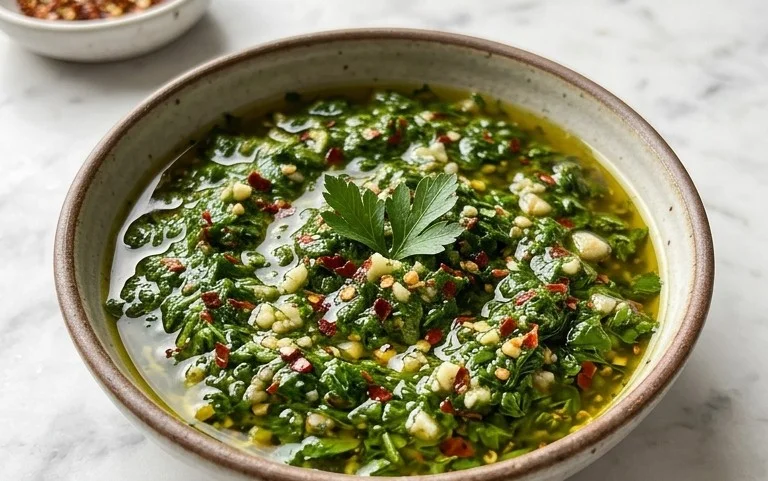
Chimichurri Sauce: The Vibrant Argentine Classic
There’s something truly magical about a bright, herbaceous sauce that can instantly elevate any dish. Chimichurri sauce, the iconic Argentinian condiment, is precisely that kind of magic. Traditionally served with grilled meats, especially succulent steaks, its zesty, garlicky, and fresh flavor profile makes it incredibly versatile. From drizzling over roasted vegetables to spicing up sandwiches, this vibrant green sauce is a game-changer. Making it at home is surprisingly simple, requiring no cooking whatsoever, just a bit of chopping and mixing. The key is to use the freshest ingredients possible to unlock its full potential.
Let’s dive into creating this culinary powerhouse.
Ingredients:
Crafting Your Chimichurri: The Steps
This recipe is all about freshness and vibrant flavor. We’re going to build our sauce by carefully preparing each component and then bringin extractg them together to create a harmonious blend.
Step 1: Prepping Your Herbs – The Heart of the Flavor
The foundation of any good chimichurri is its fresh herbs. We’ll start with the parsley. You’ll want to give your fresh parsley a good rinse under cold water and then pat it thoroughly dry with paper towels or a clean kitchen towel. Excess water can dilute the flavor and affect the texture of your sauce. Once dry, remove the tough stems from the parsley. This is important because the stems can be bitter and stringy. You’re aiming for just the leafy green parts. Similarly, give your cilantro a good rinse and dry it thoroughly. Cilantro has a more delicate flavor and aroma, so it’s important to handle it with care. If you’re using fresh oregano, repeat the rinsing and drying process. If you’re opting for dried oregano, you can skip the washing and drying, but remember that dried herbs are more potent than fresh, so you’ll use a smaller amount. The goal here is to have beautifully prepped, dry herbs ready for chopping.
Step 2: Finely Mincing the Aromatics – Building the Base
Next, we move on to the aromatics: the red onion (or shallot) and garlic. For the red onion, you want to mince it very, very finely. The smaller the pieces, the more evenly they will distribute throughout the sauce, and the less likely you are to get a sharp bite of raw onion. If you find raw onion too potent, a shallot is a fantastic alternative, offering a milder, sweeter flavor. For the garlic, you’ll want to mince it as finely as possible. You can use a garlic press if you prefer, or a sharp knife. The key is to get the garlic into very small pieces so its pungent flavor can meld with the other ingredients rather than dominating. The finer you mince these ingredients, the smoother and more cohesive your chimichurri will be.
Step 3: Combining the Fresh Elements – The Verdant Mix
Now it’s time to bring together our chopped herbs, minced onion, and minced garlic in a medium-sized bowl. If you’re using fresh oregano, add it now. If you’re using dried oregano, you’ll add it later with the other seasonings. Gently toss these ingredients together with a fork. The idea is to distribute everything evenly. At this stage, you should already start to smell the incredible aroma of the fresh herbs and garlic – that’s the promise of deliciousness to come! Don’t overmix at this point; we’re just getting everything acquainted. This mixture will form the vibrant, green base of our chimichurri.
Step 4: Adding the Tang and Spice – The Zesty Kick
With our herbaceous base ready, we’ll now introduce the liquid elements that will bring the tang and depth. Pour in the red grape juice vinegar and the fresh lemon juice. The vinegar provides a sharp, acidic bite, while the lemon juice adds a brighter, more citrusy note. This combination is crucial for cutting through rich flavors and adding a refreshing counterpoint. Now, add the salt. Start with the 1/2 teaspoon, and remember that you can always add more to taste later. If you’re a fan of a little heat, this is also the time to stir in the red pepper flakes. You can adjust the amount to your preference – a little goes a long way, and you can always add more if you like it spicier. If you are using dried oregano, stir it in now. Mix everything gently to ensure the liquids are incorporated into the herb and onion mixture.
Step 5: The Olive Oil Emulsion – Bringin extractg it All Together
The final step is to incorporate the olive oil. You’ll want to use a good quality olive oil, as its flavor will shine through. Slowly drizzle in the olive oil while stirring continuously with a fork or a whisk. The goal is to create a light emulsion, where the oil is suspended throughout the other ingredients, creating a beautifully textured sauce. You’re not aiming for a thick, mayonnaise-like emulsion, but rather a luscious, vibrant dressing. Keep stirring until the olive oil is well incorporated and you have a saucy consistency. Taste your chimichurri now. This is your chance to adjust the seasoning. Does it need a pinch more salt? A touch more vinegar for tang? Another pinch of red pepper flakes for heat? Don’t be afraid to tweak it until it’s perfect for your palate. Once you’re happy with the flavor, cover the bowl and let the chimichurri sit for at least 15-20 minutes at room temperature. This allows all the flavors to meld and deepen.
Your homemade chimichurri is now ready to be enjoyed! It’s best served at room temperature or slightly chilled. Store any leftovers in an airtight container in the refrigerator for up to a week. The flavors will continue to develop and deepen over time, making it even more delicious on the second or third day. Enjoy!
Conclusion:
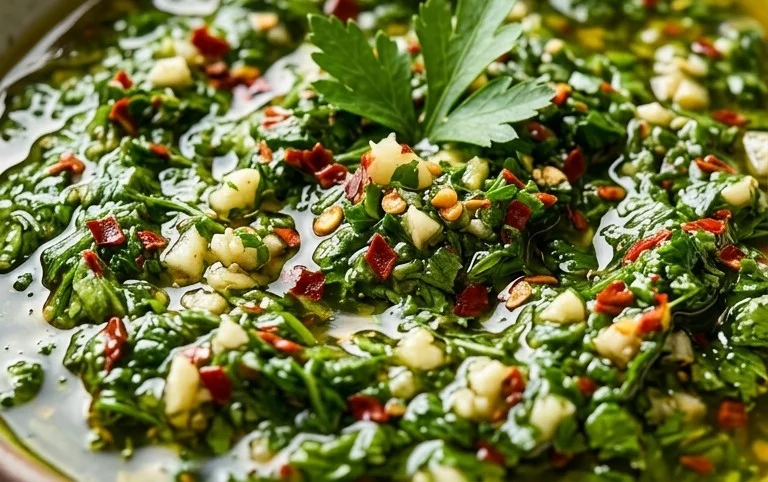
So there you have it, a simple yet incredibly versatile chimichurri sauce recipe that’s guaranteed to elevate your meals! This vibrant green sauce is fantastic because of its incredibly fresh, herbaceous flavor profile and the delightful tang from the vinegar. It’s surprisingly quick to whip up, making it perfect for weeknight dinners or impressive weekend BBQs. I love how it transforms even the simplest grilled steak or chicken into something truly special. Don’t be afraid to experiment with serving suggestions; while it’s a classic with grilled meats, it also shines as a condiment for roasted vegetables, a dip for empanadas, or even drizzled over fish.
I truly encourage you to give this chimichurri sauce a try. Once you taste how wonderfully fresh and flavorful it is, you’ll be reaching for this recipe time and time again. It’s a staple in my kitchen now, and I’m confident it will become one in yours too!
Frequently Asked Questions:
What is the best way to store leftover chimichurri sauce?
You can store your chimichurri sauce in an airtight container in the refrigerator for up to a week. The flavors often deepen and meld beautifully over time, so it’s still delicious on day five!
Can I freeze chimichurri sauce?
Yes, you can! Freezing might slightly alter the texture of the fresh herbs, but the flavor will remain excellent. Freeze it in ice cube trays for easy portioning, and then transfer the cubes to a freezer-safe bag or container.
Are there any common variations I can try?
Absolutely! For a spicier kick, add a pinch of red pepper flakes or a finely minced jalapeño. Some people also like to add a touch of lemon juice along with or instead of some of the vinegar for a brighter citrus note.
Chimichurri Sauce
A vibrant and herbaceous Argentine sauce perfect for grilled meats, vegetables, and more. This recipe offers a delicious alternative to traditional alcohol-based marinades for pork and beef.
Ingredients
-
1 1/2 cups well packed (42g) fresh parsley
-
1/2 cup well packed (20g) fresh cilantro
-
1/4 cup (9g) fresh oregano or 1 tsp dried
-
1/4 small red onion or one small shallot
-
3 garlic cloves
-
3 Tbsp red grape juice vinegar
-
2 Tbsp fresh lemon juice
-
1/2 tsp salt, (then more to taste)
-
1/4 tsp red pepper flakes ((optional, more or less to taste))
-
3/4 cup olive oil
Instructions
-
Step 1
Finely chop the fresh parsley, cilantro, and oregano. If using fresh oregano, chop it finely. If using dried, add it later with the oil. -
Step 2
Finely chop the red onion (or shallot) and mince the garlic cloves. -
Step 3
In a medium bowl, combine the chopped herbs, chopped onion/shallot, and minced garlic. -
Step 4
Add the red grape juice vinegar, fresh lemon juice, salt, and red pepper flakes (if using). Stir to combine. -
Step 5
Slowly drizzle in the olive oil while whisking continuously until the sauce is emulsified. If using dried oregano, add it now. -
Step 6
Taste and adjust seasoning, adding more salt or red pepper flakes if desired. -
Step 7
For best flavor, let the chimichurri sauce rest at room temperature for at least 15 minutes before serving to allow the flavors to meld.
Important Information
Nutrition Facts (Per Serving)
It is important to consider this information as approximate and not to use it as definitive health advice.
Allergy Information
Please check ingredients for potential allergens and consult a health professional if in doubt.