Healthy Weight Loss Recipes- Delicious & Easy
Healthy weight loss recipes are often perceived as bland or restrictive, but I’m here to tell you that couldn’t be further from the truth! Imagin extracte this: a meal so delicious, so satisfying, you forget you’re even on a weight loss journey. That’s the magic we’re unlocking today. We all love food that nourishes our bodies while delighting our taste buds, and these healthy weight loss recipes are designed to do just that. What makes them truly special is their simplicity and adaptability. They focus on whole, nutrient-dense ingredients that naturally support your goals without sacrificing flavor. Forget calorie counting guesswork; these dishes are packed with vibrant tastes and textures that will leave you feeling energized and accomplished.
Discover Your New Favorites
Effortless and Delicious Meals for Sustainable Success
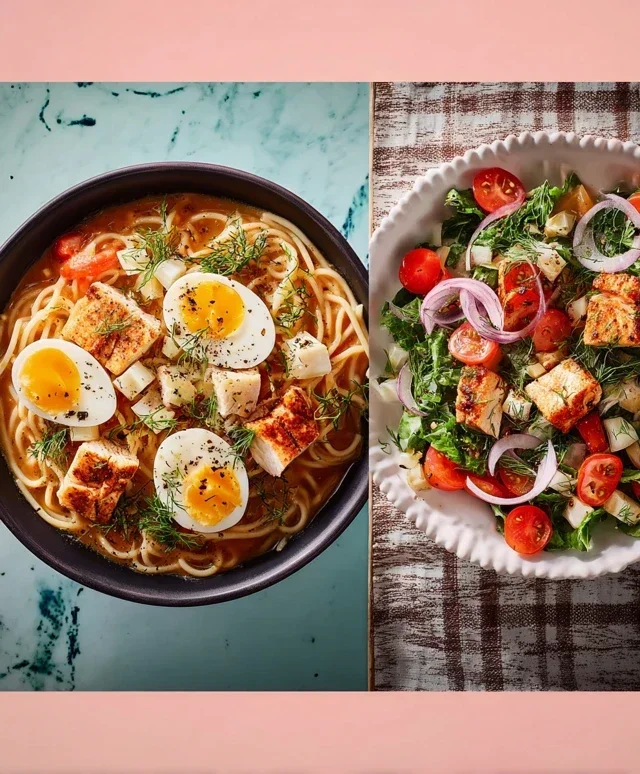
Healthy Weight Loss Recipes
Embarking on a weight loss journey can feel overwhelming, especially when faced with confusing dietary advice and bland, uninspiring meals. But I’m here to tell you that healthy eating for weight loss doesn’t have to be a chore! It can be incredibly delicious, satisfying, and remarkably simple. The key lies in focusing on nutrient-dense, whole foods that keep you feeling full and energized, while also providing your body with the vitamins and minerals it needs.
Today, I want to share a recipe that has become a staple in my own healthy eating plan. It’s a vibrant and flavorful Lemon Herb Baked Salmon with Roasted Asparagus and Quinoa. This meal is packed with lean protein, healthy fats, fiber, and essential nutrients, making it the perfect choice for anyone looking to shed a few pounds without sacrificing taste or satisfaction.
Let’s get started!
Ingredients:
Preparing the Quinoa
The base of our meal, quinoa, is a complete protein and an excellent source of fiber, which is crucial for feeling full and aiding digestion. Rinsing it is an important step to remove any saponins, which can give it a bitter taste.
Roasting the Asparagus
Asparagus is a fantastic vegetable, low in calories and high in vitamins and fiber. Roasting brings out its natural sweetness and gives it a wonderful texture.
Baking the Salmon
Salmon is a nutritional powerhouse, rich in omega-3 fatty acids, which are excellent for heart health and can also help with inflammation. Its high protein content makes it incredibly satisfying.
Assembly and Serving
Now for the best part – bringin extractg it all together!
Conclusion:
Embarking on a weight loss journey doesn’t mean sacrificing flavor or satisfaction. These healthy weight loss recipes are designed to be both nutritious and delicious, proving that you can nourish your body while enjoying every bite. We’ve focused on whole, unprocessed ingredients that are packed with essential vitamins, minerals, and fiber to keep you feeling full and energized throughout the day. Whether you’re looking for quick weeknight meals or impressive dishes for entertaining, these recipes offer versatility and cater to various dietary needs. Don’t be afraid to experiment with different spices and herbs to personalize each dish further. We encourage you to give these recipes a try – you might just discover your new favorite healthy go-to!
For serving suggestions, pair these main dishes with a side of steamed or roasted vegetables like broccoli, asparagus, or bell peppers. A small portion of quinoa or brown rice can also add satisfying complexity. Feel free to adapt these recipes based on your preferences. Swap out proteins, add different vegetables, or adjust the spice level to your liking. The key is to keep the core principles of healthy eating intact: lean protein, plenty of vegetables, and healthy fats. Remember, consistency is key when aiming for weight loss. Let these tasty, healthy weight loss recipes be your ally in achieving your goals!
Frequently Asked Questions:
Can I prepare these meals in advance for busy weekdays?
Absolutely! Many of these recipes are perfect for meal prepping. You can chop vegetables, cook grains, and even assemble certain dishes ahead of time. Store them in airtight containers in the refrigerator and reheat as needed for a quick and healthy meal on the go.
Are these recipes suitable for begin extractners in the kitchen?
Yes, these healthy weight loss recipes are designed with simplicity in mind. We’ve focused on straightforward techniques and readily available ingredients, making them accessible for cooks of all skill levels. The detailed instructions will guide you through each step with ease.
What if I have dietary restrictions or allergies?
We’ve tried to make these recipes adaptable. For example, if you’re vegetarian, you can easily substitute plant-based proteins like tofu or lentils for the meat. For gluten-free needs, ensure you use gluten-free grains and sauces. Always double-check ingredient labels for specific allergens.
Lean Turkey & Veggie Stir-Fry for Weight Loss
A quick, flavorful, and low-calorie stir-fry packed with lean protein and vibrant vegetables, perfect for healthy weight loss.
Ingredients
-
1 lb lean ground turkey
-
1 cup broccoli florets
-
1 red bell pepper, thinly sliced
-
1 yellow bell pepper, thinly sliced
-
1 cup snow peas
-
2 cloves garlic, minced
-
1 inch ginger, grated
-
2 tablespoons low-sodium soy sauce
-
1 tablespoon rice vinegar
-
1 teaspoon sesame oil
-
1/2 teaspoon cornstarch (optional, for thickening)
Instructions
-
Step 1
In a small bowl, whisk together the low-sodium soy sauce, rice vinegar, and sesame oil. If using, whisk in the cornstarch until smooth. -
Step 2
Heat a large skillet or wok over medium-high heat. Add the lean ground turkey and cook, breaking it up with a spoon, until browned and cooked through. Drain any excess fat. -
Step 3
Add the minced garlic and grated ginger to the skillet with the turkey. Stir-fry for about 30 seconds until fragrant. -
Step 4
Add the broccoli florets, red bell pepper, and yellow bell pepper to the skillet. Stir-fry for 3-5 minutes until the vegetables are tender-crisp. -
Step 5
Add the snow peas and stir-fry for another 1-2 minutes until they are bright green and slightly tender. -
Step 6
Pour the sauce mixture over the stir-fry. Toss to coat everything evenly and cook for 1-2 minutes, or until the sauce has thickened slightly (if cornstarch was used).
Important Information
Nutrition Facts (Per Serving)
It is important to consider this information as approximate and not to use it as definitive health advice.
Allergy Information
Please check ingredients for potential allergens and consult a health professional if in doubt.