Easy Miso Soup Recipe- Quick & Flavorful
Miso soup recipe. There’s a comforting warmth that washes over you with every sip of a perfectly crafted bowl of miso soup. It’s more than just a starter; it’s an experience, a hug in a mug that’s been a staple in Japanese cuisine for centuries. We love this dish for its incredible simplicity, yet profound depth of flavor. The magic lies in the humble ingredients: fragrant dashi broth and the star of the show, miso paste. What makes this miso soup recipe so special is its versatility. It’s a canvas for your creativity, easily adaptable with your favorite vegetables, tofu, or even a sprinkle of sesame seeds. This easy miso soup recipe will become your go-to for a quick, healthy, and utterly satisfying dish that’s perfect any time of day.
Why You’ll Love This Miso Soup Recipe
A Taste of Tradition, Made Simple
Miso Soup Recipe
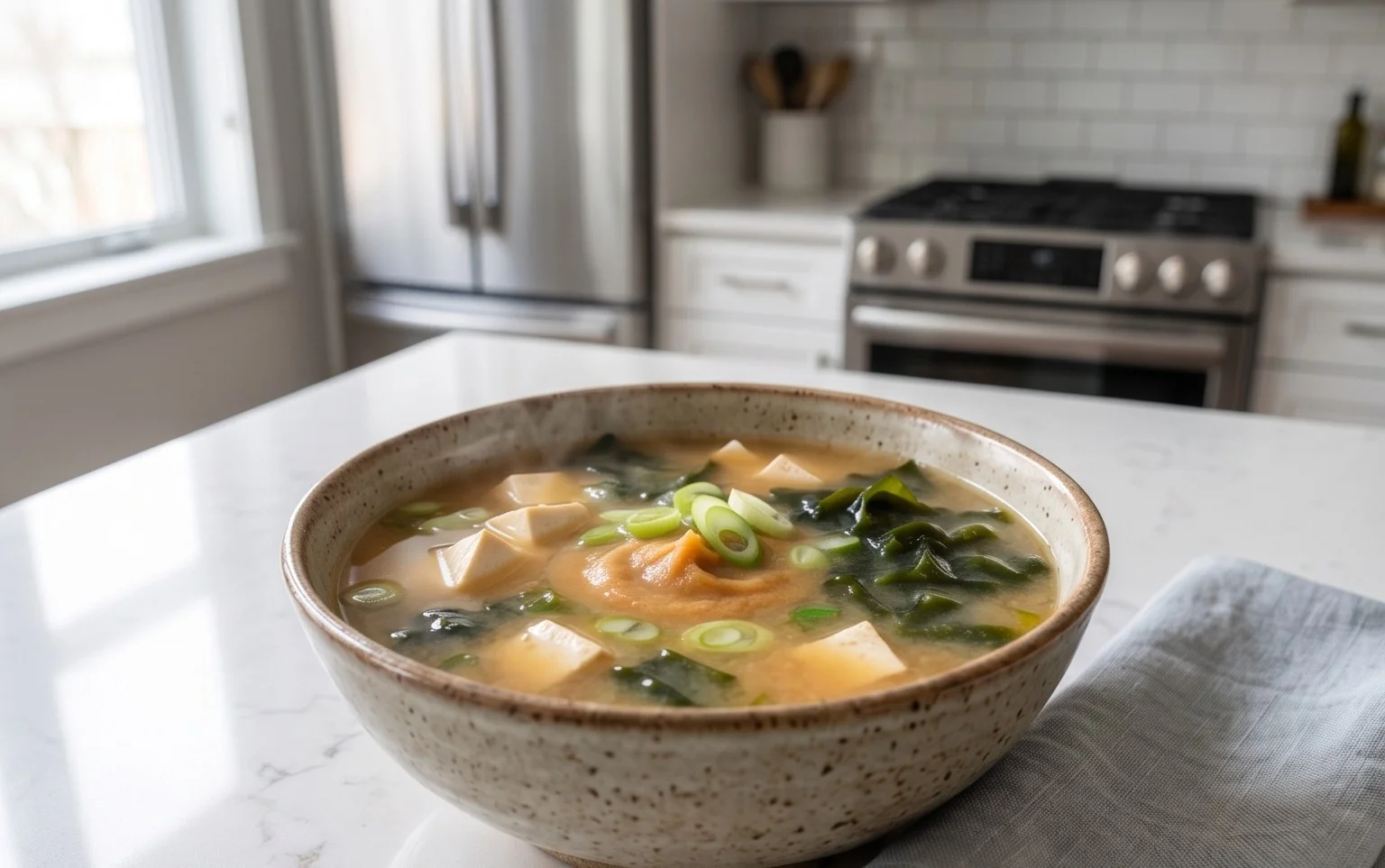
Miso soup is a cornerstone of Japanese cuisine, a comforting and deeply flavorful broth that’s surprisingly simple to make at home. It’s more than just a starter; it’s a warm hug in a bowl, perfect for any time of day. Whether you’re enjoying it as part of a traditional Japanese meal or simply craving something light and satisfying, this recipe will guide you through creating a delicious and authentic miso soup. The beauty of miso soup lies in its versatility and the nuanced umami flavors it delivers. We’ll be using a few key ingredients that come together harmoniously to create this delightful dish.
Ingredients:
Getting Started: Preparing Your Miso Soup
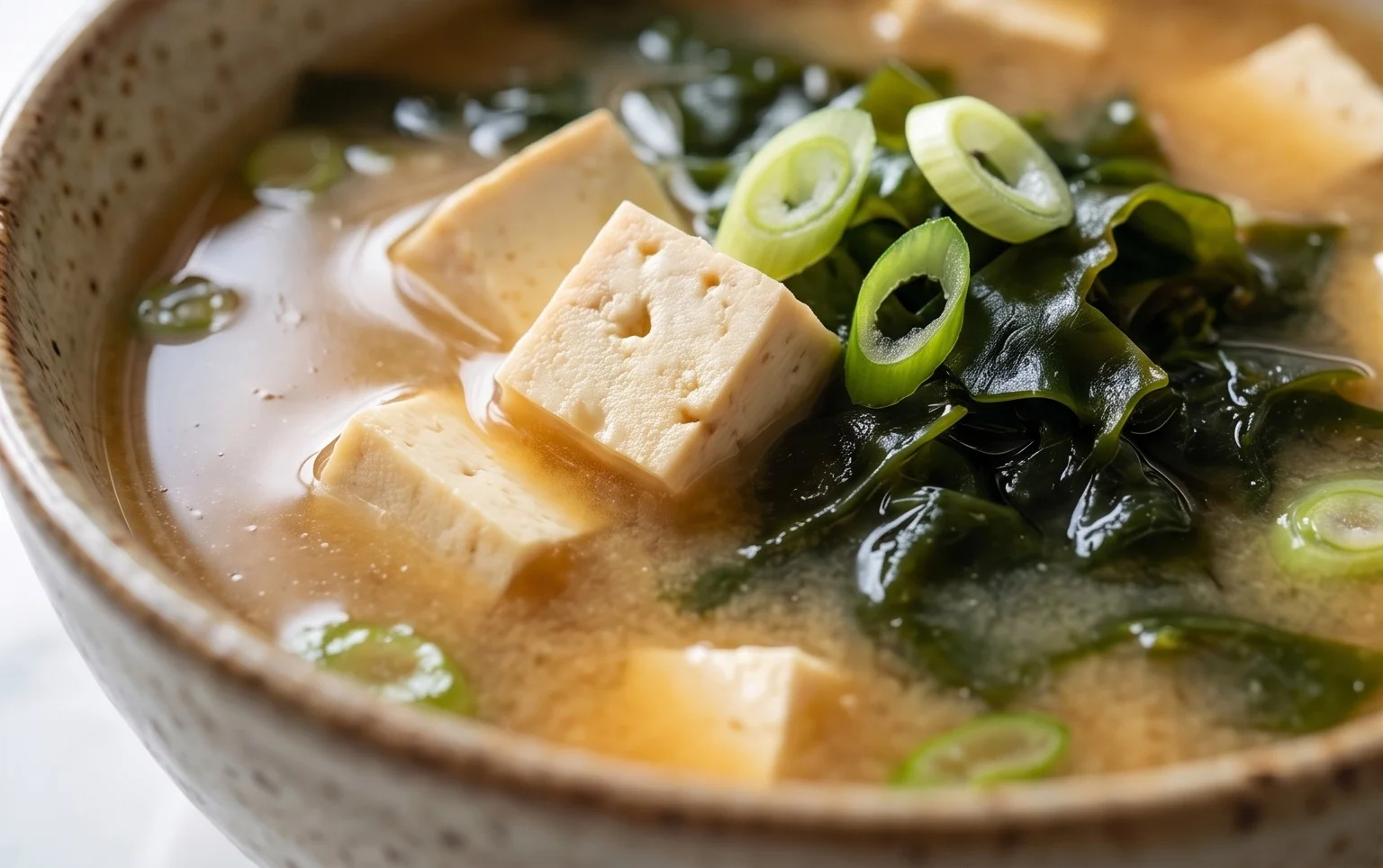
The foundation of any great miso soup is the dashi. Dashi is a fundamental Japanese soup stock that provides a subtle yet profound savory depth, often referred to as umami. While you can purchase instant dashi powder, making it from scratch with kombu (kelp) and katsuobushi (bonito flakes) offers a superior flavor. For this recipe, we’ll assume you have your dashi ready. If you’re using dried seaweed, it’s important to rehydrate it before adding it to the soup. This process not only softens the seaweed but also allows it to release its natural flavors into the broth. The silken tofu adds a delicate texture that melts in your mouth, providing a gentle contrast to the savory broth. And of course, the miso paste is the star, infusing the soup with its characteristic fermented taste. We’ll explore different types of miso and how they affect the final flavor profile in the steps below. Finally, fresh scallions are added at the very end for a pop of color and a fresh, slightly pungent bite.
Cooking Instructions
Let’s get cooking! Follow these simple steps to create your delicious homemade miso soup.
1. Rehydrating the Seaweed: In a small bowl, place your heaping tablespoon of dried seaweed. Cover it with a little warm water and let it sit for about 5 to 10 minutes, or until it has fully rehydrated and softened. It will expand significantly. Once rehydrated, gently squeeze out any excess water. If the pieces are very large, you can give them a rough chop to make them more manageable in the soup. This step is crucial for a pleasant texture and to avoid chewy or tough seaweed bits.
2. Heating the Dashi: Pour your 2½ cups of dashi into a medium saucepan. Place the saucepan over medium heat. You want to bring the dashi to a gentle simmer, not a rolling boil. A gentle simmer will prepare the broth to receive the other ingredients without them becoming overcooked or losing their delicate flavors. While the dashi is heating, you can prepare your silken tofu by carefully cutting it into small, bite-sized pieces. It’s best to do this before you add the miso, as the tofu is quite delicate.
3. Adding the Seaweed and Tofu: Once the dashi is simmering gently, add the rehydrated seaweed to the pot. Stir gently to distribute it evenly. Next, carefully add the pre-cut pieces of silken tofu. Be gentle when adding the tofu to avoid breaking it up too much, as we want to maintain those nice, soft cubes. Allow the soup to simmer for another 2 to 3 minutes. This short simmering time allows the flavors of the seaweed and tofu to meld with the dashi.
4. Incorporating the Miso Paste: This is a critical step, and it’s important to do it correctly to achieve the best flavor and texture. Miso paste should never be boiled, as high heat can destroy its beneficial probiotics and alter its delicate flavor. Ladle about ½ cup of the warm dashi broth from the pot into a separate small bowl. Add your 2 to 2½ tablespoons of miso paste to this bowl. Whisk the miso paste into the warm dashi until it forms a smooth, lump-free paste. This process is called “tempering” and ensures the miso dissolves evenly into the soup without clumping. The amount of miso paste can be adjusted to your preference; 2 tablespoons will give you a milder flavor, while 2½ tablespoons will be more pronounced. Different types of miso paste, such as white (shiro) miso or red (aka) miso, will also impart different flavor profiles. White miso is milder and slightly sweeter, while red miso is bolder and more savory.
5. Finishing and Serving: Once the miso paste is fully dissolved in the separate bowl, gently pour the miso mixture back into the saucepan with the rest of the dashi, seaweed, and tofu. Stir everything together gently to combine. Heat the soup gently over low heat for just another minute or two. Do not let it boil after adding the miso. Taste the soup and adjust the seasoning if needed, adding a touch more miso paste if you prefer a stronger flavor. Ladle the hot miso soup into individual bowls. Garnish each bowl with a sprinkle of the chopped scallions just before serving. The fresh scallions add a burst of color and a refreshing contrast to the savory broth. Serve immediately and enjoy this comforting and nourishing soup!
Conclusion:
I hope you’ve enjoyed learning how to make this wonderfully simple yet profoundly flavorful miso soup recipe. Its beauty lies in its versatility and the comforting warmth it brings. It’s a staple for a reason – quick to prepare, incredibly nourishing, and endlessly adaptable to your personal tastes. Whether you’re seeking a light appetizer, a satisfying lunch, or a comforting side dish, this recipe delivers. Don’t hesitate to experiment with the additions; that’s where the real fun begin extracts!
For serving suggestions, I love pairing this miso soup with grilled fish, rice bowls, or even a simple salad. It’s also the perfect starter for a Japanese-inspired meal. Feel free to get creative with variations! Consider adding silken tofu for extra protein, some shiitake mushrooms for a deeper umami note, or even a sprinkle of toasted sesame seeds for added texture and aroma. Give this recipe a try – I’m confident you’ll find yourself making it again and again!
Frequently Asked Questions:
What kind of miso paste should I use?
For this recipe, I recommend using a good quality white miso (shiro miso) or a blended miso (awase miso). White miso has a milder, slightly sweeter flavor that’s great for begin extractners. Awase miso offers a balanced flavor profile. Red miso (aka miso) is also delicious but has a much stronger, saltier taste, so use it with a lighter hand if you’re new to it.
Can I make miso soup ahead of time?
While you can prepare some components of the miso soup ahead of time, like dicing vegetables or making the dashi broth, it’s best to add the miso paste and cook it right before serving. Miso paste loses some of its beneficial probiotics and flavor when boiled vigorously or reheated multiple times. So, for the freshest and most flavorful experience, assemble and cook just before you’re ready to eat.
Miso Soup Recipe
A simple and comforting classic Japanese miso soup.
Ingredients
-
2½ cups Dashi
-
1 heaping tablespoon dried seaweed
-
4 oz silken tofu (cut into small pieces)
-
2-2½ tablespoons white miso paste (or to taste)
-
1 tablespoon scallion (chopped)
-
1 teaspoon dried bonito flakes (optional, for extra umami)
Instructions
-
Step 1
In a medium saucepan, bring the Dashi to a simmer over medium heat. Do not boil. -
Step 2
Add the dried seaweed to the simmering Dashi and let it rehydrate for about 5 minutes. -
Step 3
Gently add the silken tofu pieces to the pot. -
Step 4
In a small bowl, whisk the miso paste with a ladleful of the hot Dashi until smooth. This prevents the miso from clumping. -
Step 5
Stir the dissolved miso paste mixture back into the saucepan. Heat gently, but do not allow the soup to boil, as this can diminish the flavor and aroma of the miso. -
Step 6
If using, add the dried bonito flakes and stir briefly. -
Step 7
Ladle the miso soup into bowls and garnish with chopped scallions before serving.
Important Information
Nutrition Facts (Per Serving)
It is important to consider this information as approximate and not to use it as definitive health advice.
Allergy Information
Please check ingredients for potential allergens and consult a health professional if in doubt.