Best Chimichurri Sauce Recipe- Fresh & Flavorful
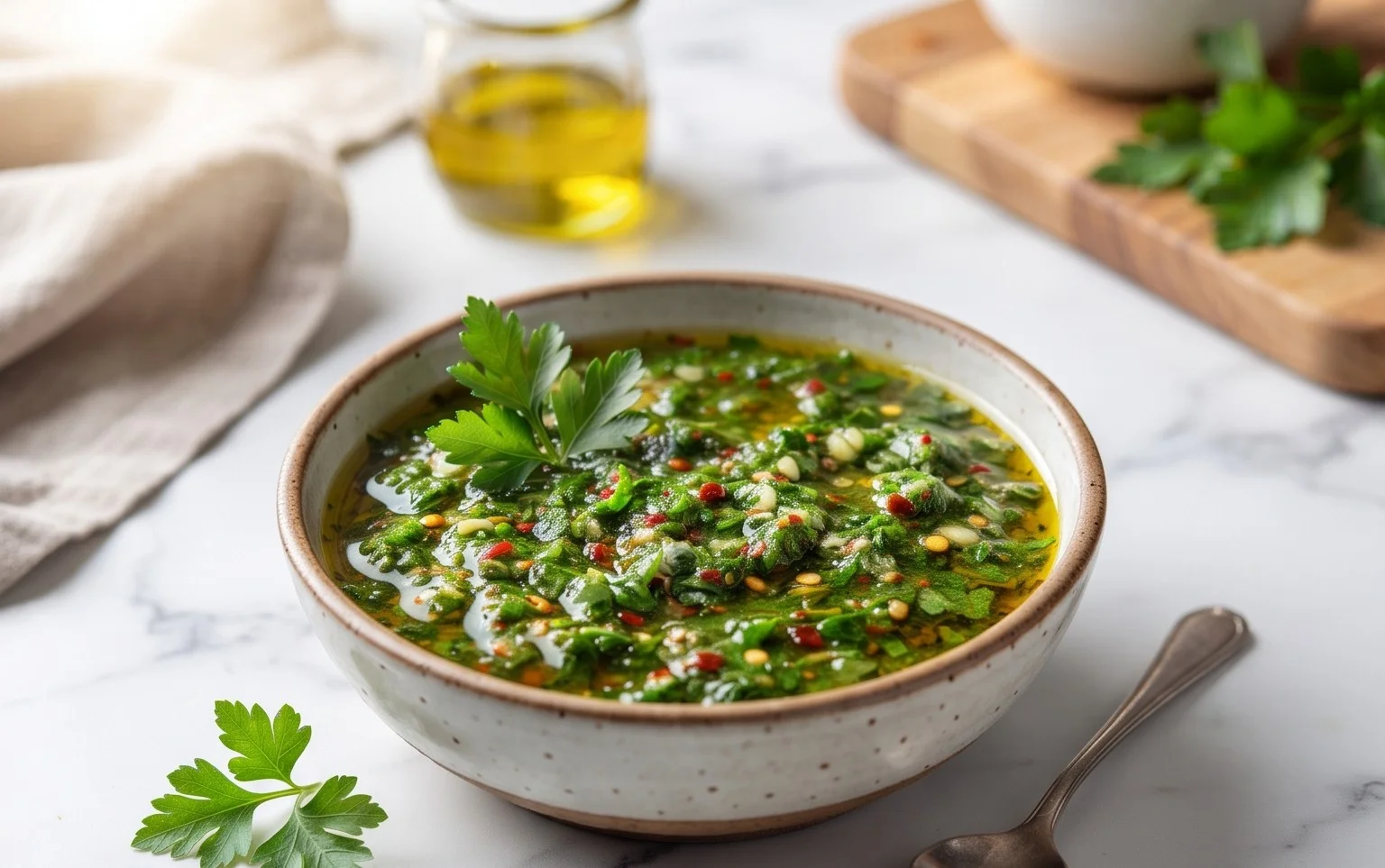
Chimichurri sauce recipe mastery is within your reach! Forget bland marinades and predictable drizzles; this vibrant green sauce is about to become your new culinary obsession. Hailing from Argentina and Uruguay, chimichurri is more than just a condiment; it’s a celebration of fresh herbs and zesty flavors that elevate everything it touches. What makes this particular chimichurri sauce recipe so beloved? It’s that perfect balance of garlic punch, herbaceous brightness from parsley and oregano, a subtle kick from red pepper flakes, and the unmistakable tang of vinegar and olive oil. It’s incredibly versatile, transforming grilled meats, roasted vegetables, and even simple sandwiches into something extraordinary. Get ready to unlock a world of flavor with this easy-to-follow chimichurri sauce recipe!
Chimichurri Sauce Recipe
There are some sauces that simply elevate any dish they grace, transforming the ordinary into the extraordinary. Chimichurri sauce is one such culinary marvel. Hailing from Argentina and Uruguay, this vibrant green sauce is a staple for grilled meats, but its versatility extends far beyond. It’s a bright, herbaceous, and slightly tangy condiment that can add a burst of flavor to everything from grilled vegetables and fish to sandwiches and even eggs. Making it from scratch is surprisingly simple, and the results are leagues beyond anything you can buy pre-made. The fresh herbs, pungent garlic, and zesty vinegar create a complex yet perfectly balanced flavor profile that is utterly addictive. I’ve been making chimichurri for years, and I always find myself coming back to this tried-and-true recipe. It’s my go-to for backyard barbecues, weeknight dinners, and even as a dressing for hearty salads. So, let’s get started on creating this kitchen magic!
Ingredients:
Crafting Your Chimichurri: Step-by-Step
The beauty of chimichurri lies in its freshness and the way the ingredients meld together. We’re aiming for a sauce that’s finely chopped, but not a paste. The texture is key to its appeal, allowing you to still appreciate the individual herbs. You can achieve this by hand with a sharp knife, which I often prefer for the most rustic and authentic result, or by using a food processor for a quicker approach.
1. Prepare Your Herbs and Aromatics
Begin extract by meticulously preparing your fresh herbs. Wash them thoroughly under cool running water and then gently pat them dry with paper towels. It’s important to remove as much moisture as possible to prevent the sauce from becoming watery. Now, carefully go through and strip the leaves from the stems of the parsley, cilantro, and oregano. The stems, especially of parsley and cilantro, can be quite fibrous and bitter, so discarding them is essential for a smooth, pleasant sauce. For the oregano, the leaves are generally smaller and more tender, but still ensure you’re using just the leaves. Once your herbs are de-stemmed, give them a rough chop. Don’t worry about perfection at this stage, as they will be further processed.
2. Mince the Flavor Base
Next, it’s time to tackle the aromatics. Take your roughly chopped red onion (or shallots, if you prefer a slightly milder, sweeter onion flavor). If you’re using a food processor, you can add these directly. If you’re chopping by hand, aim for a fine mince. The garlic cloves should be peeled. For the best flavor distribution, it’s helpful to give the garlic cloves a preliminary chop before adding them to the mix. The red pepper flakes are crucial for that subtle kick; adjust the amount to your personal preference for heat. If you’re sensitive to spice, start with a quarter teaspoon and add more later if desired.
3. Combining and Chopping
This is where the magic starts to happen. If you’re using a food processor, add your chopped herbs, red onion (or shallots), garlic cloves, and red pepper flakes to the bowl. Pulse the machine in short bursts, scraping down the sides as needed. You want to achieve a finely chopped mixture, not a smooth puree. The texture should be somewhere between finely chopped and coarsely ground. If you’re chopping by hand, place all these ingredients on a clean cutting board and use a very sharp chef’s knife to finely mince them all together. The key here is to chop them all together repeatedly until they are well combined and finely minced.
4. Emulsifying the Liquids
Once your herb and aromatic base is prepped, it’s time to introduce the liquids. In a separate bowl, whisk together the extra-virgin extract olive oil, red grape juice vinegar, and fresh lemon juice. The red grape juice vinegar provides a lovely subtle sweetness and depth of flavor that complements the tangin extractess of the lemon juice. Whisking these liquids together helps to start the emulsification process, which will give your chimichurri a slightly thicker, more cohesive consistency. Season with the kosher salt. Taste and adjust the salt if needed; it’s better to add it gradually.
5. Bringin extractg It All Together
Now, pour the whisked liquid mixture over the chopped herb and aromatic blend. Stir everything together thoroughly with a spoon or spatula, ensuring that all the ingredients are well combined. The goal is to coat all the finely minced components with the oil and vinegar mixture. Once everything is mixed, let the chimichurri sauce sit for at least 15-30 minutes at room temperature before serving. This resting period is incredibly important because it allows the flavors to meld and develop. The herbs will soften slightly, and the garlic and onion will infuse their pungent notes into the oil and vinegar. This is when the sauce truly comes alive.
6. Storage and Serving Suggestions
Your homemade chimichurri is now ready to be enjoyed! It can be stored in an airtight container in the refrigerator for up to a week. The flavors will continue to deepen over time, making it even better on the second and third day. Before serving, give it a good stir as the oil and vinegar may separate slightly.
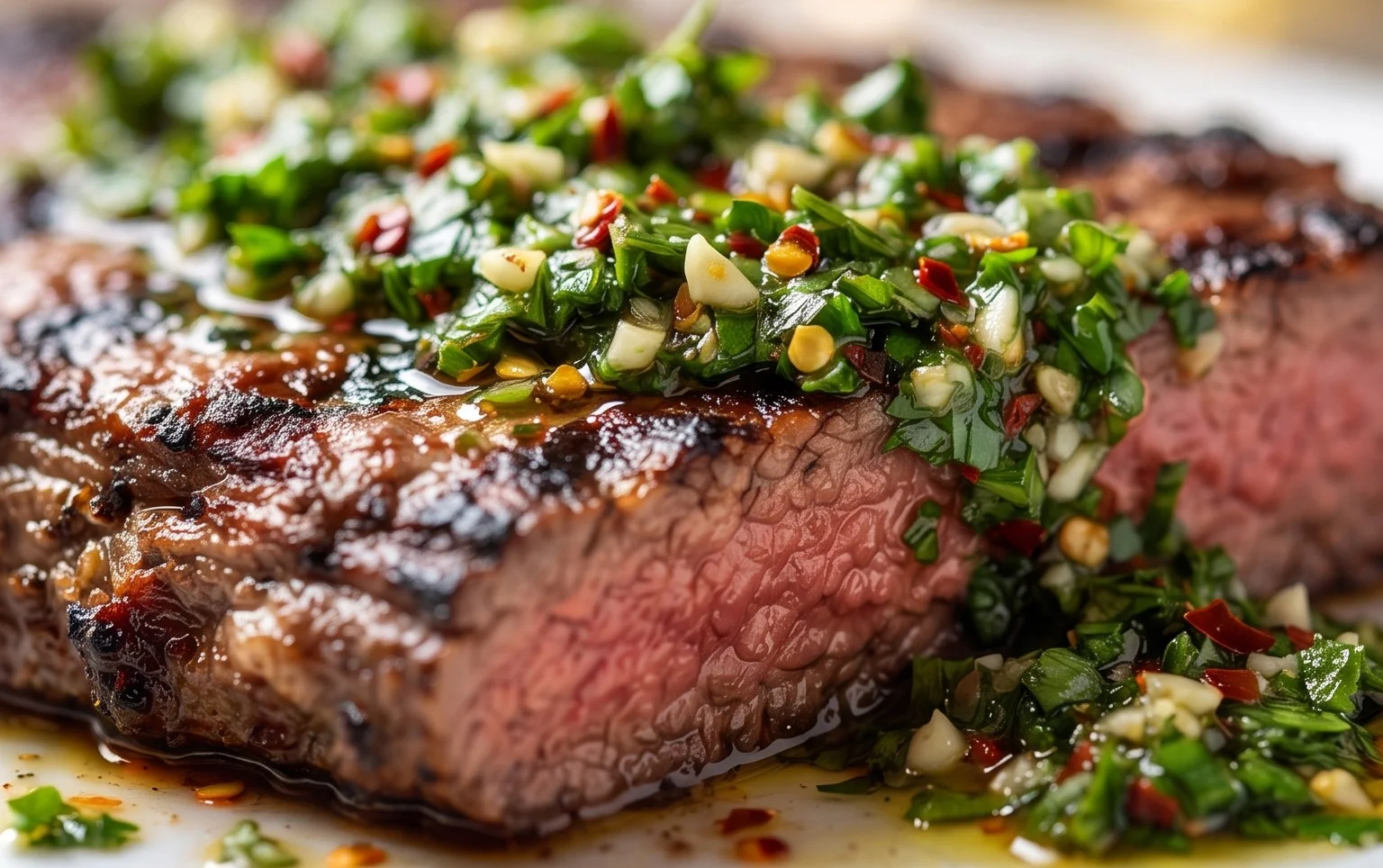
This sauce is incredibly versatile. It’s a classic accompaniment to grilled steak, chicken, and beef. Drizzle it over grilled fish or shrimp. It’s also fantastic with roasted vegetables, brushed onto grilled corn, or even used as a dressing for a vibrant salad. Don’t hesitate to experiment! Some people even like to add a pinch of smoked paprika or a touch of honey for a different twist. Enjoy this burst of fresh flavor in your cooking!
Conclusion:
You’ve now got the blueprint for crafting your very own vibrant and flavorful Chimichurri sauce! This recipe truly shines because of its incredible versatility and the burst of fresh, herbaceous goodness it brings to any dish. It’s not just a condiment; it’s a flavor enhancer that can transform simple grilled meats into culinary masterpieces, elevate roasted vegetables with a zesty kick, and even add a lively twist to sandwiches and dips. The beauty of this Chimichurri sauce recipe lies in its simplicity and the immediate impact it has on taste.
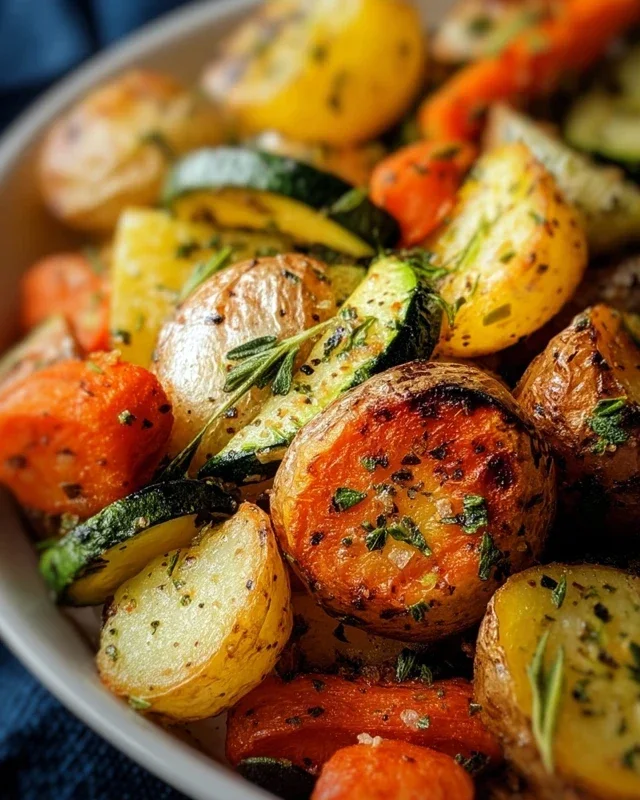
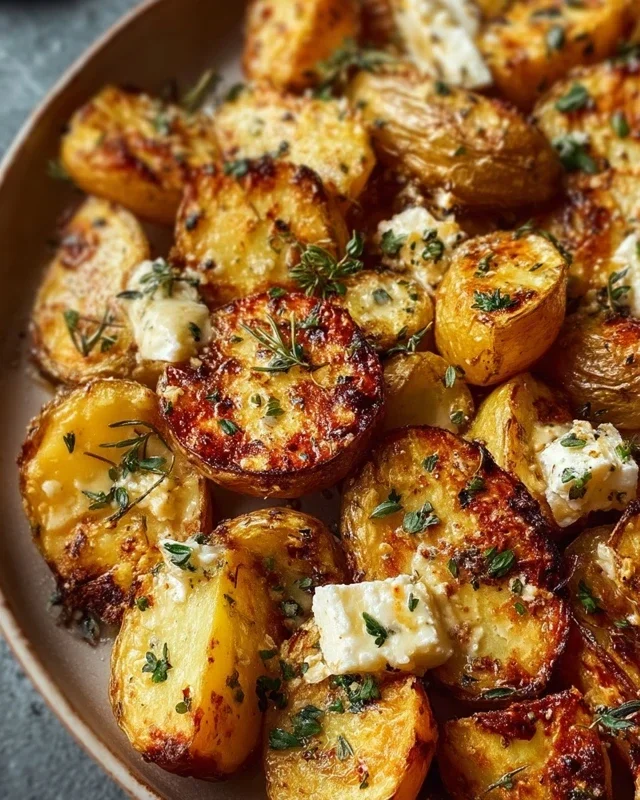
Beyond the classic pairing with grilled steaks, don’t hesitate to experiment! Try it drizzled over roasted chicken or fish, tossed with cooked potatoes, or even stirred into a grain salad. For a delightful twist, consider adding a pinch of red pepper flakes for a touch of heat, or a different herb like basil for a unique aromatic profile. I truly encourage you to give this Chimichurri sauce recipe a try. It’s surprisingly easy to make and the results are incredibly rewarding, offering a fresh, vibrant taste that will have you reaching for more!
Frequently Asked Questions:
How long does Chimichurri sauce last?
Freshly made Chimichurri sauce can be stored in an airtight container in the refrigerator for up to 1 week. The olive oil helps to preserve it, but the fresh herbs will start to lose their vibrancy over time.
Can I freeze Chimichurri sauce?
While it’s best enjoyed fresh, you can freeze Chimichurri sauce. It’s a good idea to freeze it in ice cube trays for easy portioning. Once frozen, transfer the cubes to a freezer-safe bag. The texture might change slightly upon thawing, but the flavor will still be delicious.
What kind of vinegar is best for Chimichurri?
Red grape juice vinegar is traditionally used and provides a wonderful tangy balance. However, you can also experiment with other vinegars like apple cider vinegar or even white grape juice vinegar for slightly different flavor profiles.
Chimichurri Sauce Recipe
A vibrant and herbaceous Argentinian sauce perfect for grilled meats, vegetables, and more. This recipe features fresh herbs, garlic, and a zesty vinegar base.
Ingredients
-
1 cup fresh Italian flat-leaf parsley (, leaves only, stems removed)
-
1/4 cup fresh cilantro (, leaves only, stems removed)
-
1/4 cup fresh oregano (, leaves only, stems removed)
-
1/3 cup roughly chopped red onion
-
3 cloves garlic (, peeled)
-
1/2 teaspoon red pepper flakes
-
1/2 cup extra-virgin olive oil
-
1/4 cup red grape juice vinegar
-
3 tablespoons fresh lemon juice
-
1 teaspoon kosher salt
Instructions
-
Step 1
Finely chop the fresh parsley, cilantro, and oregano. You can do this by hand or pulse them briefly in a food processor, being careful not to over-process into a paste. -
Step 2
Finely mince the chopped red onion and the peeled garlic cloves. Add them to the bowl with the chopped herbs. -
Step 3
Add the red pepper flakes, kosher salt, fresh lemon juice, and red grape juice vinegar to the herb and onion mixture. -
Step 4
Gradually drizzle in the extra-virgin olive oil while stirring continuously to emulsify the sauce. Continue stirring until well combined. -
Step 5
Taste and adjust seasoning as needed. For best flavor, let the chimichurri sauce rest for at least 15 minutes at room temperature before serving, allowing the flavors to meld.
Important Information
Nutrition Facts (Per Serving)
It is important to consider this information as approximate and not to use it as definitive health advice.
Allergy Information
Please check ingredients for potential allergens and consult a health professional if in doubt.