Ramen Eggs Ajitama-Perfectly Marinated Soft Boiled Eggs
Ramen eggs, or ajitama, are truly magical. They’re more than just a topping; they’re a culinary revelation that transforms a simple bowl of noodles into an unforgettable experience. Have you ever wondered what gives those perfectly jammy, deeply flavorful eggs in your favorite ramen bowls that irresistible allure? It’s the ajitama, of course! These marinated delights are a labor of love, but the payoff is immense. What makes ramen eggs so special is the delicate balance achieved through marination. The soy sauce, non-alcoholic mirin, and often a touch of non-alcoholic sake or dashi work in harmony to infuse the egg white with a savory umami depth, while the yolk remains luxuriously soft and creamy, its richness amplified. They offer a delightful textural contrast and a burst of complex flavor that perfectly complements the savory broth and chewy noodles.
Why You’ll Love Making Ramen Eggs
The Art of the Perfect Ajitama
Ramen Eggs (Ajitama)
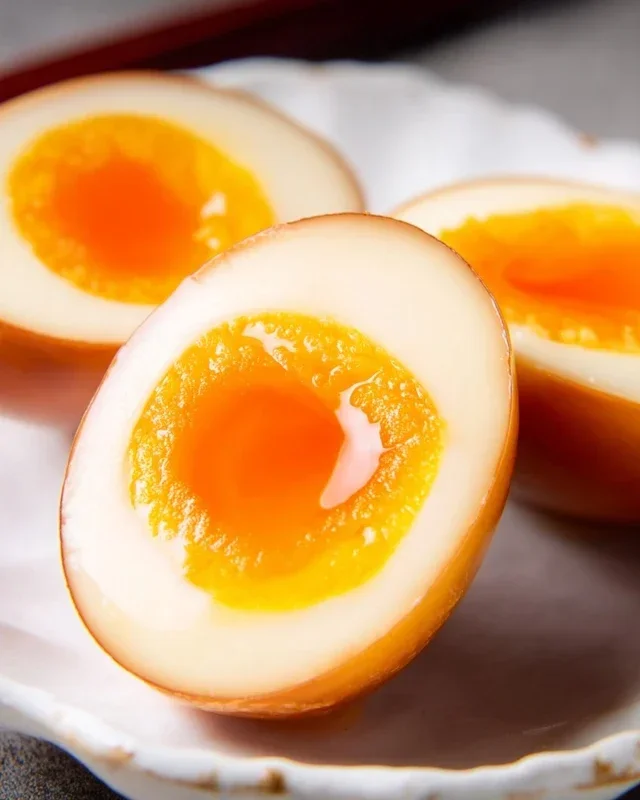
There’s something incredibly satisfying about a perfectly prepared ramen egg, also known as ajitama. The jammy, golden yolk contrasting with the rich, savory marinade is a culinary revelation. These aren’t just any hard-boiled eggs; they’re marinated to perfection, infusing them with a depth of flavor that elevates any ramen bowl from good to spectacular. Making them at home is surprisingly straightforward, and the results are so rewarding that you’ll wonder why you ever settled for plain eggs. The magic lies in a simple marinade that transforms humble eggs into little bursts of umami.
I’ve found that the key to truly amazing ajitama is twofold: achieving the perfect soft-boiled egg consistency and allowing ample time for the marinade to work its magic. This recipe is designed to guide you through each step, ensuring you get those luscious, marinated yolks every time. Whether you’re a seasoned ramen enthusiast or just starting your noodle journey, mastering these ramen eggs will be a game-changer. They’re also fantastic as a topping for rice bowls, in salads, or even on their own as a delicious snack.
Ingredients:
Cooking Instructions:
Preparing the Eggs
The first step to achieving perfect ramen eggs is to cook your eggs to the ideal soft-boiled state. This is crucial for that coveted jammy yolk. I usually start by bringin extractg a small pot of water to a rolling boil. While the water heats up, you can optionally add a splash of vinegar to the water. Some people swear by this; it’s believed to help prevent the egg whites from escaping if a crack forms. Once the water is boiling, I carefully lower the eggs into the water using a slotted spoon. This prevents them from cracking when they hit the hot water. The cooking time is where the magic happens. For a beautifully jammy yolk, I aim for exactly 6 minutes and 30 seconds for large eggs. If you prefer a slightly firmer yolk, you can extend this to 7 minutes. Immediately after the timer goes off, plunge the eggs into an ice bath. This is a non-negotiable step! The ice bath stops the cooking process instantly, ensuring your yolks remain perfectly soft and don’t continue to cook from residual heat. Let them chill in the ice bath for at least 10-15 minutes. This also makes them much easier to peel.
Creating the Marinade
While the eggs are chilling, it’s time to whip up the flavorful marinade. In a small saucepan, combine the light sodium soy sauce, water, non-non-non-alcoholic alternativeic non-alcoholic mirin, and granulated sugar. Stir everything together well. Place the saucepan over medium heat and gently bring the mixture to a simmer. You want the sugar to completely dissolve, so stir frequently. Once the sugar has dissolved and the mixture is just starting to simmer, remove it from the heat. It’s important not to boil this mixture vigorously, as it can sometimes create an overly reduced or slightly bitter flavor. We’re looking for a smooth, well-combined liquid that’s ready to infuse the eggs. Let this marinade cool down to room temperature before proceeding. You can speed this up by placing the saucepan in an ice bath or transferring the marinade to a bowl and placing that in the refrigerator.
Peeling and Marinating
Once the eggs have cooled completely in the ice bath, it’s time to peel them. Gently crack each egg all over and then peel them under cool running water. The water helps to get under any stubborn bits of shell, making the peeling process much smoother. Be delicate, as you don’t want to rupture the soft yolk inside. After peeling, place the eggs in a sealable container or a sturdy zip-top bag. Now, pour the cooled marinade over the eggs, ensuring they are fully submerged. If using a container, make sure the eggs are nestled in the liquid. If using a zip-top bag, gently press out any excess air before sealing.
The Marination Process
This is where patience truly pays off. The ajitama need time to absorb all the delicious flavors of the marinade. I typically marinate them for at least 8 hours, but the longer, the better. Ideally, I’ll let them marinate for 24 to 48 hours in the refrigerator. The longer they marinate, the darker the color of the egg white will become, and the more intensely flavored the yolk will be. For the best results, I recommend turning the eggs once or twice during the marination period to ensure even coloring and flavor distribution. If you’re in a pinch, 8 hours can be enough to get a good flavor, but trust me, the extra time is worth it for that truly next-level ajitama experience.
Serving Your Ajitama
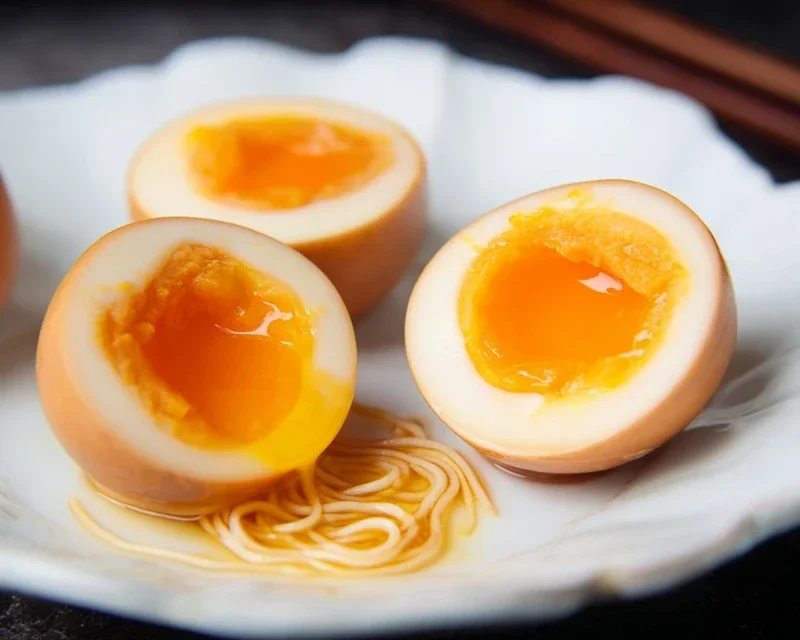
Once your ramen eggs have marinated to your satisfaction, they are ready to be enjoyed! Carefully remove them from the marinade. You can serve them whole, or for that iconic ramen presentation, slice them in half lengthwise. This reveals that beautiful, jammy yolk and the slightly tinged white. They are the perfect addition to any bowl of ramen, adding a burst of savory goodness and a delightful textural contrast. Don’t forget to drizzle a little bit of the leftover marinade over your ramen or other dishes for an extra punch of flavor. These eggs are best enjoyed within a few days of making them. Enjoy your homemade ajitama!
Conclusion:
Making perfect Ramen Eggs, or Ajitama, at home is surprisingly simple and incredibly rewarding. This recipe unlocks a world of flavor, transforming ordinary eggs into a rich, savory, and wonderfully custardy delicacy that elevates any dish. The magic lies in the balance of the soy-based marinade, which infuses the soft-boiled eggs with a deep umami punch, making them far more exciting than their plain counterparts. They are an absolute game-changer for your instant ramen bowls, adding that authentic ramen shop touch. Beyond ramen, these delicious eggs are fantastic as a topping for rice bowls, salads, or even enjoyed as a sophisticated snack on their own.
Don’t be afraid to experiment! Try adding a pinch of chili flakes to your marinade for a spicy kick, or a touch of non-alcoholic mirin for extra sweetness. For a different flavor profile, consider incorporating grated garlic or gin extractger. The possibilities are endless, and the results are always delicious. So, I wholeheartedly encourage you to give this Ramen Eggs recipe a try. You’ll be amazed at how something so simple can add so much depth and satisfaction to your meals. Enjoy the journey and savor every bite!
Frequently Asked Questions:
How long do Ramen Eggs last in the refrigerator?
Your delicious Ramen Eggs should stay fresh in the refrigerator for about 3 to 4 days. It’s best to store them in an airtight container submerged in their marinade to maintain their flavor and moisture.
Can I use a different type of soy sauce?
Absolutely! While traditional Japanese soy sauce is ideal for that authentic Ajitama flavor, you can certainly use other types of soy sauce. However, be mindful that the saltiness and flavor profile can vary. If you use a saltier soy sauce, you might want to slightly reduce the amount of salt in your marinade. Low-sodium soy sauce is also a great option if you’re watching your sodium intake.
What’s the best way to achieve the perfect jammy yolk?
The key to a perfect jammy yolk is precise boiling time. For most large eggs, a 6 to 7-minute boil after the water reaches a rolling boil is ideal. Immediately after boiling, plunge the eggs into an ice bath for at least 5 minutes to stop the cooking process and make them easier to peel. Practice makes perfect, so don’t be discouraged if your first attempt isn’t absolutely flawless!
Ramen Eggs (Ajitama)
Perfectly marinated soft-boiled eggs, ideal for topping ramen or enjoying on their own. This recipe uses a non-alcoholic marinade.
Ingredients
-
6 large eggs
-
½ cup light sodium soy sauce
-
¼ cup water
-
¼ cup non-alcoholic mirin
-
2 tablespoons granulated sugar
-
Vinegar (optional for boiling eggs)
Instructions
-
Step 1
Bring a pot of water to a rolling boil. If using, add a splash of vinegar to the boiling water. Gently lower the eggs into the boiling water. -
Step 2
Boil for 6-7 minutes for a soft, jammy yolk. Immediately transfer the eggs to an ice bath to stop the cooking process. -
Step 3
While the eggs are cooling, prepare the marinade. In a small saucepan, combine soy sauce, water, non-alcoholic mirin, and granulated sugar. Heat gently, stirring until the sugar is dissolved. -
Step 4
Once the eggs are cool enough to handle, carefully peel them. -
Step 5
Place the peeled eggs in a resealable bag or a small container. Pour the cooled marinade over the eggs, ensuring they are fully submerged. -
Step 6
Marinate in the refrigerator for at least 4 hours, or preferably overnight, turning occasionally for even coloring and flavor.
Important Information
Nutrition Facts (Per Serving)
It is important to consider this information as approximate and not to use it as definitive health advice.
Allergy Information
Please check ingredients for potential allergens and consult a health professional if in doubt.